MCF’s 13 proposals show how co-operative ownership can turn public assets, essential services and economic opportunity into lasting community benefit.
Malta’s economic success should be measured not only by growth, but by whether it improves the everyday lives of people in Malta and Gozo. That is the central message of the Malta Co-operative Federation’s proposals for Budget 2027, presented under the theme “Shared Prosperity, Stronger Communities”.
Developed after consultations with the Local Councils Association, the 13 proposals argue that co-operatives are practical, democratically managed enterprises that can help communities shape their own futures. They focus on public assets, housing, care, banking, clean energy, employment and fairer access to economic opportunities.
Manoel Island: an opportunity to do things differently

Our flagship proposal is to explore establishing Manoel Island as a community co-operative. Rather than viewing the island’s future as a choice between direct public administration and a private concession, we believe Malta should consider a third option: a community-led model that combines long-term stewardship with democratic participation.
This would mean assessing how local stakeholders could meaningfully help manage the site, how income from suitable cultural, leisure and hospitality uses could be reinvested locally, and how conservation and public access could be protected. We are calling for a feasibility and governance study, informed by stakeholder consultation, to test the legal, financial and operational requirements before any decision is taken.
If proven workable, the model could help shape the future of other suitable public spaces and heritage sites across Malta and Gozo.
Giving communities a fair opportunity to manage public assets

Our second proposal gives registered community co-operatives a statutory right of first refusal when suitable public property is offered for lease or sale. This would allow them a defined opportunity to match commercial terms, without obliging the State to accept a reduced price. A transparent framework could give residents a meaningful chance to preserve sites for housing, cultural use, shared workplaces or green space.
We also propose considering assets confiscated from organised crime for structured social reuse, with clear rules and viability checks. Formerly illicit resources could support youth services, reintegration projects, social enterprises and community organisations.
Housing and care centred on people
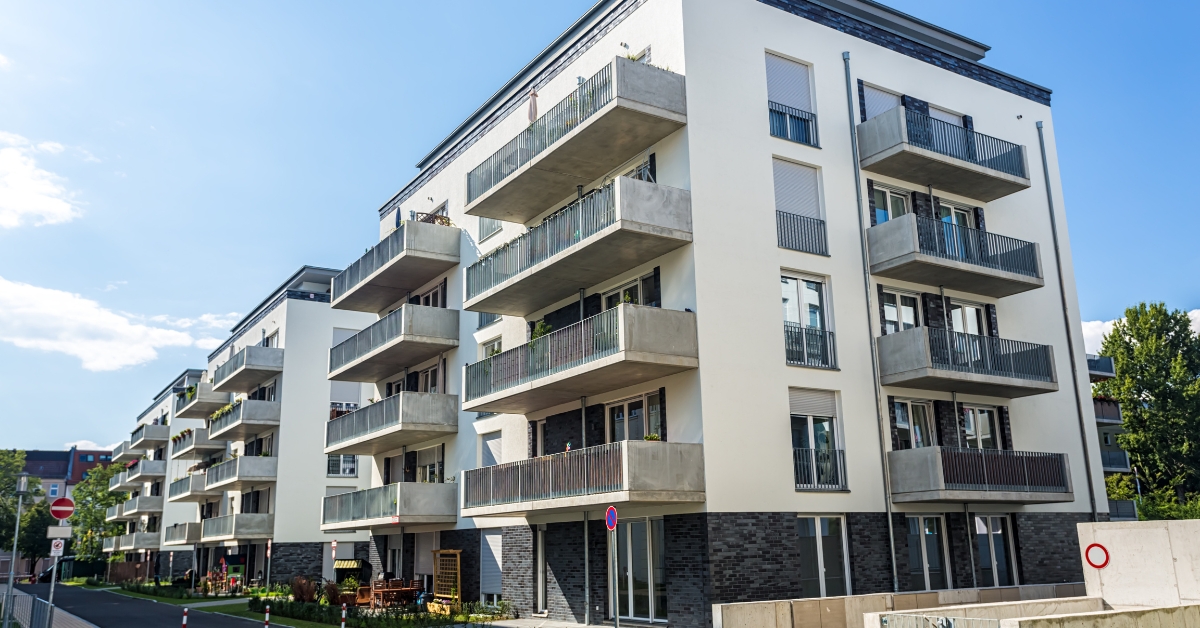
Co-operative housing can help remove speculative profit from the equation and maintain affordability over time. We are urging progress on allocating suitable public land so this model can move from a policy commitment to actual homes.
We also believe that community- and worker-owned elderly-care services deserve a greater role. In a co-operative model, operational surpluses can be reinvested in better facilities, improved conditions for carers, and higher-quality, more consistent care for older people.
Finance, energy and mobility for local benefit

To expand financing options, we propose a working group with Government, financial authorities, and the co-operative movement to assess whether Malta can responsibly develop co-operative banking within its regulatory framework. Appropriate safeguards for depositors, governance and financial crime prevention would remain essential.
Community renewable-energy projects are another opportunity. We propose an initial programme using suitable public rooftops, with scope to explore offshore initiatives later. At local level, pilot community-run parking and mobility hubs could combine managed parking, solar canopies, charging facilities and reinvestment in neighbourhood improvements.
Removing barriers and widening participation

Several proposals address the conditions in which co-operatives operate. These include making Malta Enterprise support more accessible; acting on the Government’s earlier commitment to audit exemptions for qualifying small co-operatives; and piloting socially responsible public procurement that considers measurable social outcomes alongside cost and service quality.
We also propose a Social Inclusion Employment Fund supported by a defined share of penalties for non-compliance with disability-employment obligations, and a review of employment and self-employment rules affecting legally resident non-EU nationals who wish to participate in worker co-operatives.
A modern legal framework for a stronger movement

Completing reform of the Co-operative Societies Act underpins this programme. Clearer rules, sound governance, transparency and stronger members’ rights are essential if co-operatives are to innovate while remaining accountable to the people they serve.
These proposals invite constructive dialogue with Government, the Opposition, local councils and civil society. We believe that when communities can participate in ownership, decisions and the benefits of enterprise, economic progress becomes more meaningful and more widely shared.