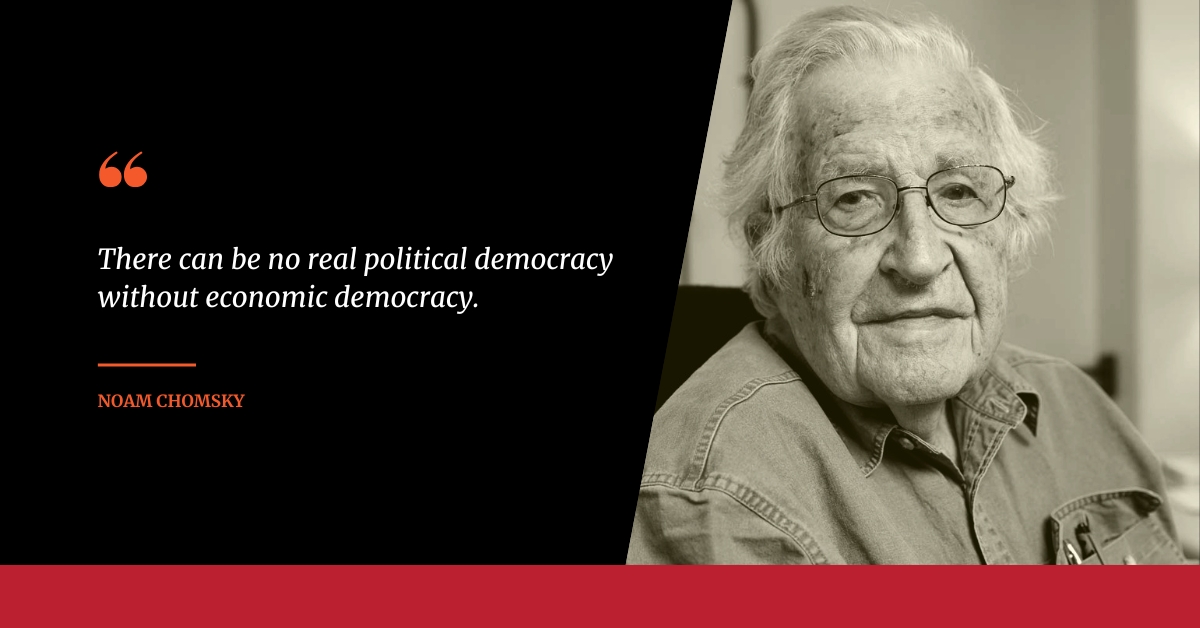
We often take pride in our democratic government, a system where everyone supposedly has a say and policies are intended for the common good. However, political democracy is only half the battle. To truly thrive, we must extend these same principles to our financial systems. As Noam Chomsky famously argued, there can be no real political democracy without something approaching economic democracy, a principle that echoes ideas long present in earlier political thought, including that of Theodore Roosevelt.
The Concentration of Wealth
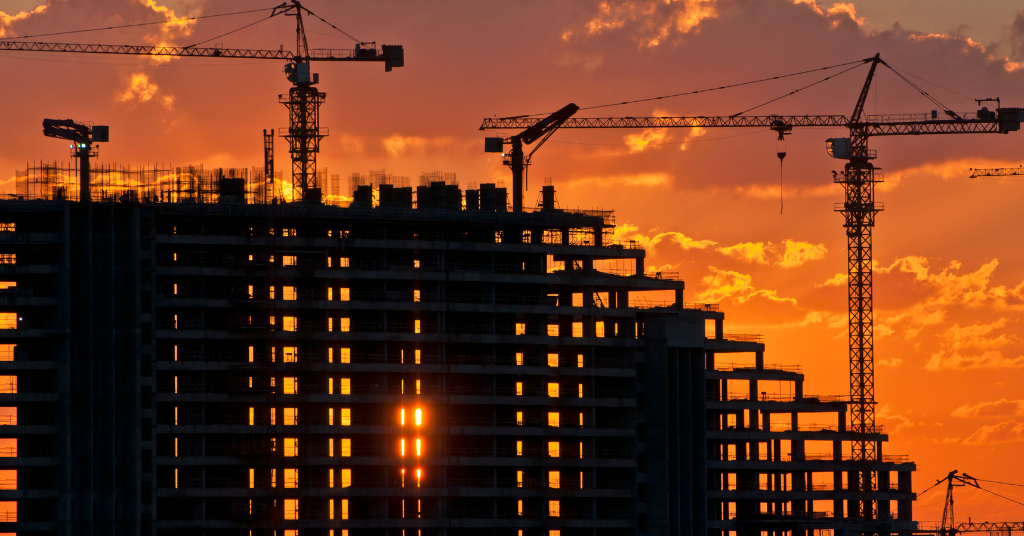
Our current economic model frequently treats the community as a passive consumer to be “bled dry” for the benefit of a handful of powerful investors. This has led to a staggering disparity in wealth distribution. According to the Central Bank of Malta, wealth is far more concentrated than income; as of the last quarter of 2023, the top 10% of households held €47.1 billion, representing 44.8% of the country’s total net wealth. This top decile also controls nearly 90% of all business wealth in Malta.
This concentration has concrete consequences, particularly for vital human rights like housing. When housing is subjected solely to extractive market forces and speculation, it becomes inaccessible for young people and other vulnerable groups. We need an economic model based on fair distribution, citizen empowerment, and the protection of the “commons.”
From Extractive to Participatory

We do not have to keep operating an extractive economy that prioritises profit maximisation over people. Instead, we can work to build a participatory economy where decisions are taken together for the collective benefit. This shift includes:
- Democratic Investment: Transitioning to community democratic ownership for critical sectors like renewable energy. In this model, your influence does not depend on your bank balance but on your membership in the community.
- Reclaiming the Commons: Protecting shared resources from being exploited for private gain.
- Empowering the Worker: Creating environments where people who work reap the direct benefits of their labour, through worker-owned cooperatives.
The Cooperative Alternative

Unbridled capitalism has been successful in convincing many that “there is no alternative.” Yet, viable alternatives exist. Co-operatives are a proven solution for achieving a fairer, more democratic economy. In a co-op, it is the people who hire capital, rather than capital hiring the people. And co-ops operate on a one-person, one-vote system of participation, where benefit is tied to work done, and not on financial investment.
This is not a marginal phenomenon. Over 1.2 billion people—more than 12% of humanity—are part of the roughly 3 million cooperatives worldwide. These organisations provide jobs or work opportunities to approximately 280 million people, or 10% of the world’s employed population. Recognising their vital role, the United Nations has proclaimed 2025 as the International Year of Cooperatives, under the theme “Cooperatives Build a Better World”.
A fairer economy is not just a dream; it is a global reality already in motion. We can reclaim our agency over our communities and environments, one co-op at a time.