Unlocking the Potential
The Malta Co-operative Federation (MCF) has submitted a forward-looking set of proposals for inclusion in Malta’s Budget for 2026, outlining pragmatic, low-cost measures to strengthen the co-operative sector as a key driver of inclusive growth, community resilience, and social innovation.
The proposals, developed in consultation with the Local Councils’ Association and aligned with national priorities under Malta’s Vision 2050, focus on four core areas:
-
Co-operative finance and regulation
-
Public procurement and asset reuse
-
Community services and housing
-
Employment and social inclusion
Together, these recommendations set out a practical roadmap for a more equitable, sustainable, and community-driven economy.
Finance, Regulation & Infrastructure for Co-ops
A stronger Malta begins with a fairer financial system.

MCF’s proposals call for the creation of an enabling environment where co-operatives can access dedicated banking, tailored enterprise support, and simplified regulation.
Key recommendations include:
-
Amending the Banking Act to allow for the establishment and operation of co-operative banks.
-
Facilitating renewable energy communities that empower citizens to co-own and benefit from clean energy.
-
Reforming audit requirements to ensure co-operatives are treated on an equal footing with limited companies.
These reforms would help unlock local innovation, boost economic resilience, and foster a more democratic economy — one where people, not just profit, drive progress.
Procurement, Reuse & Public Value
Every euro of public value should create meaningful community impact.

MCF’s proposals promote the reuse of state-owned and underutilised assets to generate social and economic value through co-operative models.
Highlights include:
-
Repurposing confiscated or dormant properties for social and community use.
-
Integrating social responsibility clauses into public procurement to prioritise organisations that deliver public benefit.
These initiatives reimagine traditional government spending as a catalyst for inclusion, sustainability, and empowerment, giving purpose and visibility to public value that people can see, touch, and trust.
Community Assets, Local Services & Care
At the heart of a resilient nation are vibrant, people-centred communities.
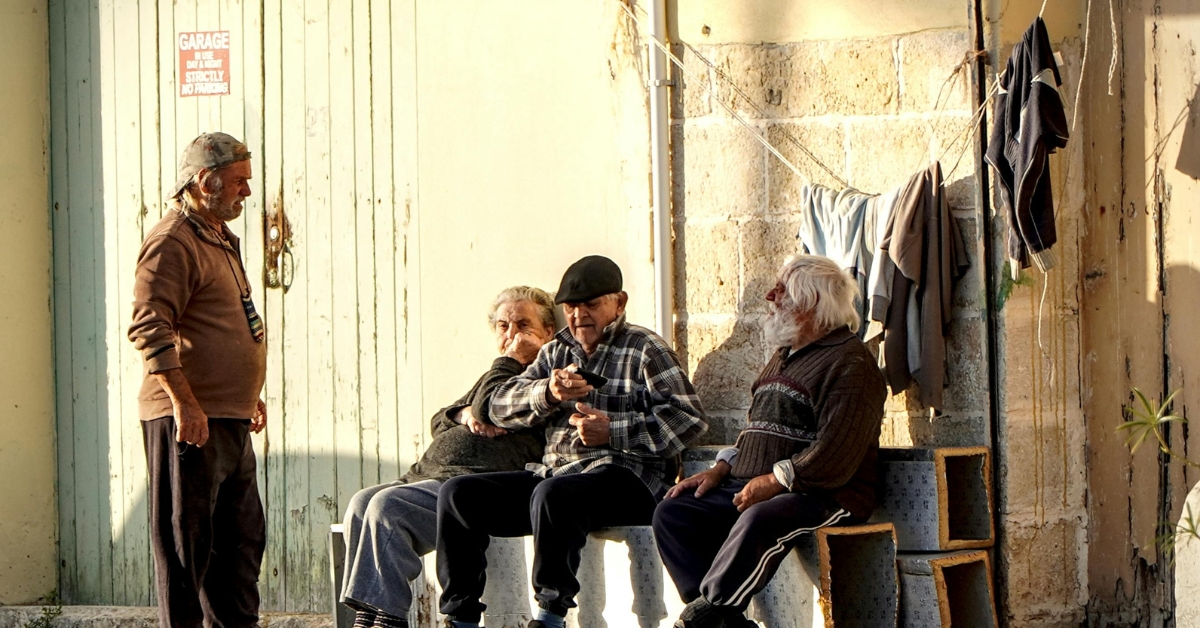
This section of the proposals envisions stronger local ecosystems through co-operative solutions in mobility, care, and housing.
MCF proposes:
-
Transforming car parks into energy-smart, community-owned mobility hubs.
-
Empowering local co-operatives to provide elderly care and essential services close to home.
-
Introducing co-operative housing schemes for affordable and sustainable living.
These initiatives combine social care, innovation, and environmental responsibility, ensuring communities can care for their own while promoting sustainable local development.
Social Inclusion, Employment & the Social Economy
True progress ensures that no one is left behind.

MCF’s social inclusion proposals focus on turning barriers into opportunities through the co-operative model.
Key measures include:
-
Redirecting disability quota fines into a dedicated fund that supports the creation of real jobs through worker co-operatives.
-
Allowing third-country nationals with valid work permits to join worker co-operatives, strengthening inclusion and diversity within Malta’s labour market.
These recommendations make social justice practical and achievable, aligning economic growth with fairness, equality, and community well-being.
Conclusion: Building an Inclusive Co-operative Economy

The Malta Co-operative Federation’s Budget 2026 proposals present a clear, actionable vision for a more inclusive, sustainable, and democratic Malta. By empowering people through co-operation — in finance, housing, care, and employment — Malta can build a stronger future where prosperity is shared, participatory, and resilient.